SHARE ETHICALLY with wacc
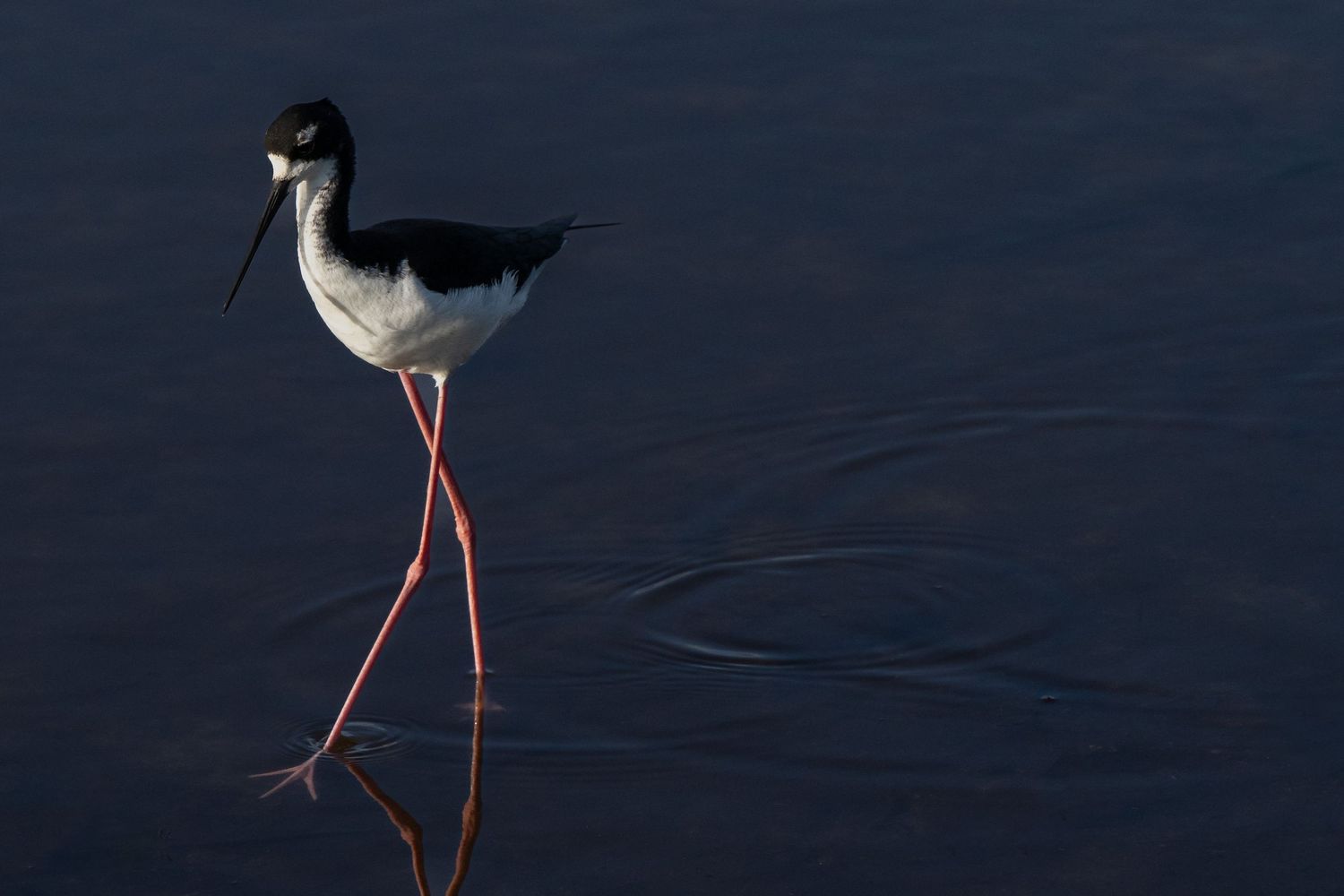
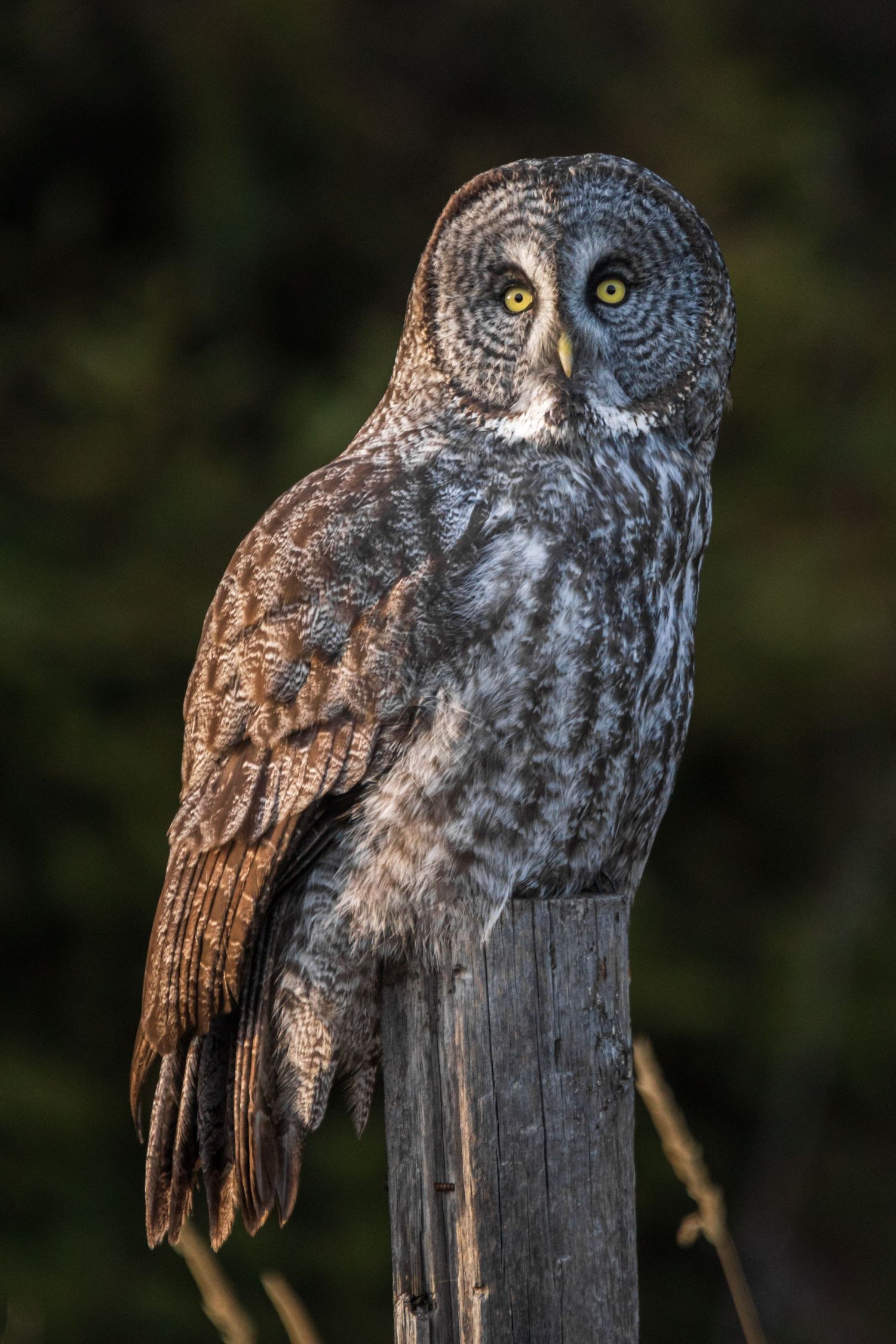
You probably assume that this photo is of a wild animal, taken in the wild. But is that true? Using "wacc" is a simple way to be clear and honest with our viewers.
What is wacc?
wacc stands for wild / attracted / controlled / captive. It's a simple way to be transparent about the context of a wildlife photo or video. It's easy to assume - and hope - that wildlife images are truly of "wild life" but that's not always the case. And being less than honest can have unintended consequences, like convincing others to try and get close to a wild animal for a shot and putting the animal or themselves at risk. wacc lets wildlife photographers and filmmakers protect the animals we care about while being honest with our viewers. All we have to do is determine what context was true when we captured the image or footage, and then share that context: in a caption, hashtag, film prologue/epilogue cards, or other means.
wild
The animal lives in nature and was free from direct human interaction or intervention - including in the moments that led to the image(s).
attracted
The animal lives in nature but was attracted to a spot through human action (such as human-placed foods or mimicked or recorded calls).
controlled
The animal lives in nature but is/was directly handled by or under the control of humans - momentarily or for their entire lives. Examples: a bird caught for banding or a managed herd at the National Bison Range.
captive
The animal is "housed" and is directly cared for by and dependent on humans - temporarily or for their entire lives. Examples: an animal at a rescue / rehab center or in a zoo / aquarium.
All wildlife photos on my site are wacc: wild unless otherwise noted, including the one above.
What's the best way to share?
Whatever works for you! It doesn't matter how it's shared, what matters is that it's being shared. Some examples: When I post on Instagram, I include a single line in the caption and a hashtag. I include the "wacc:" label on slides when I'm teaching. I keyword my photos with the wacc label and put it in the alt text of a photo on the web. And for any photos that don't have the "wild" tag, I provide more context about the situation.
Example captions:
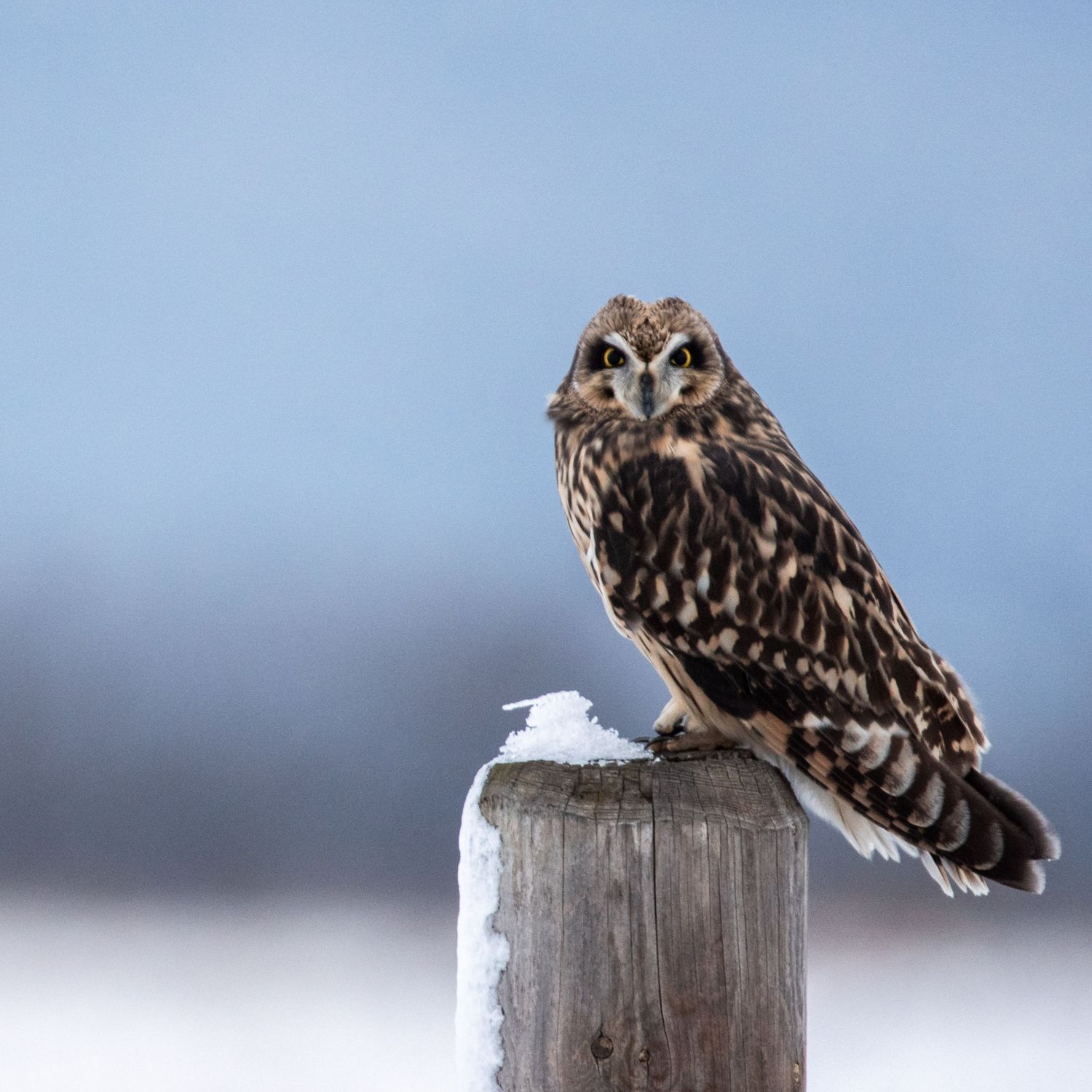
wacc: wild
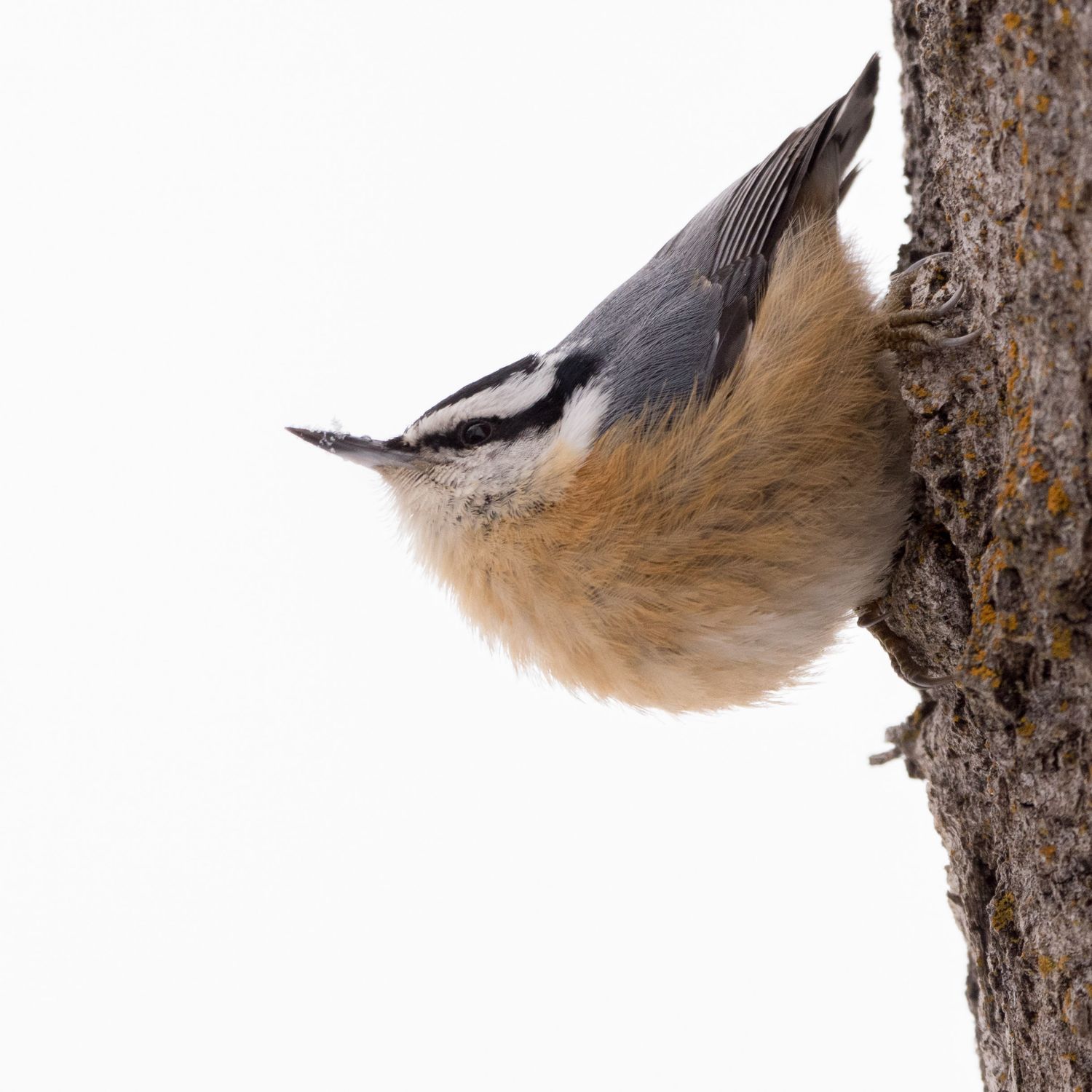
wacc: attracted (attracted to bird seed at house)
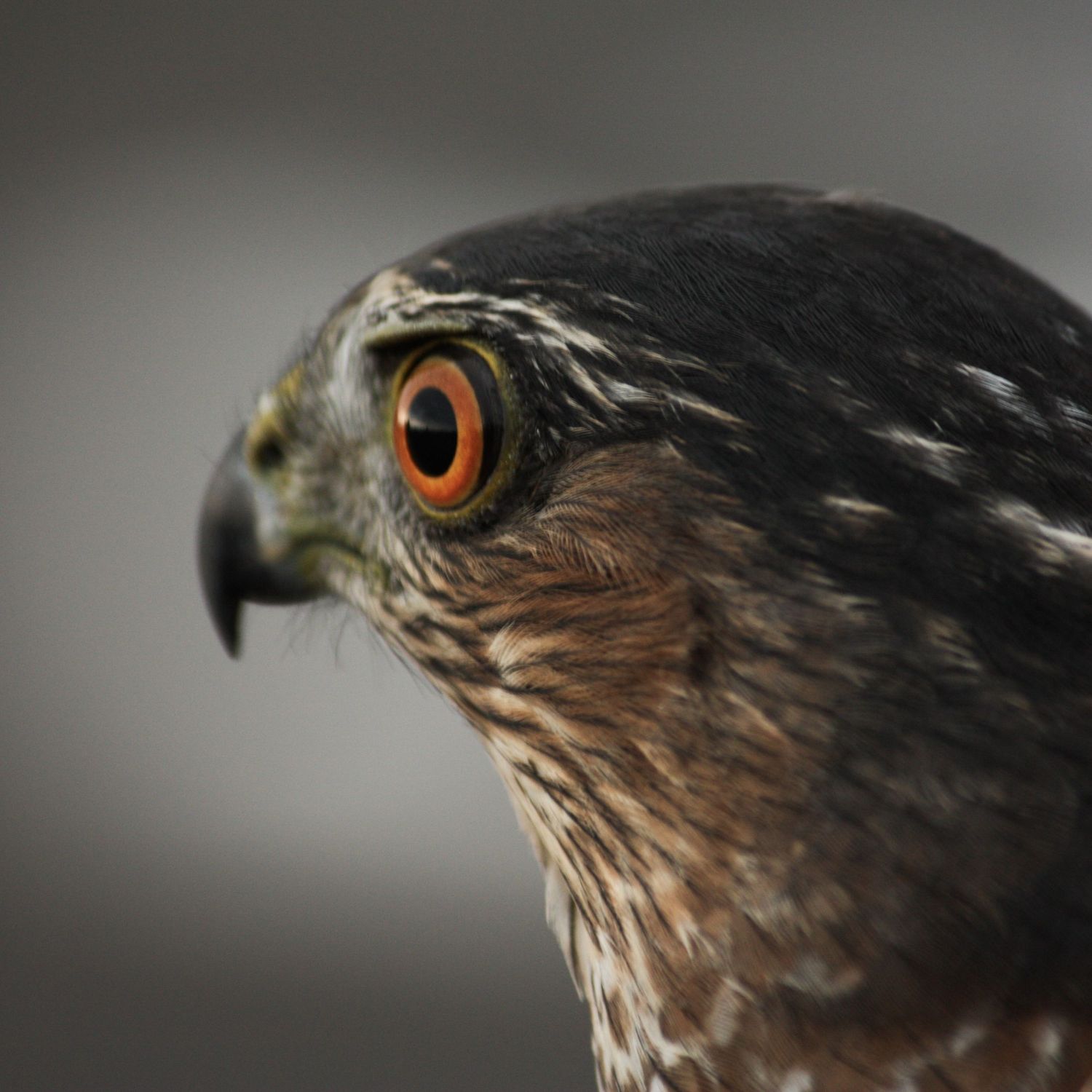
wacc: controlled (held during bird banding for research / tracking)
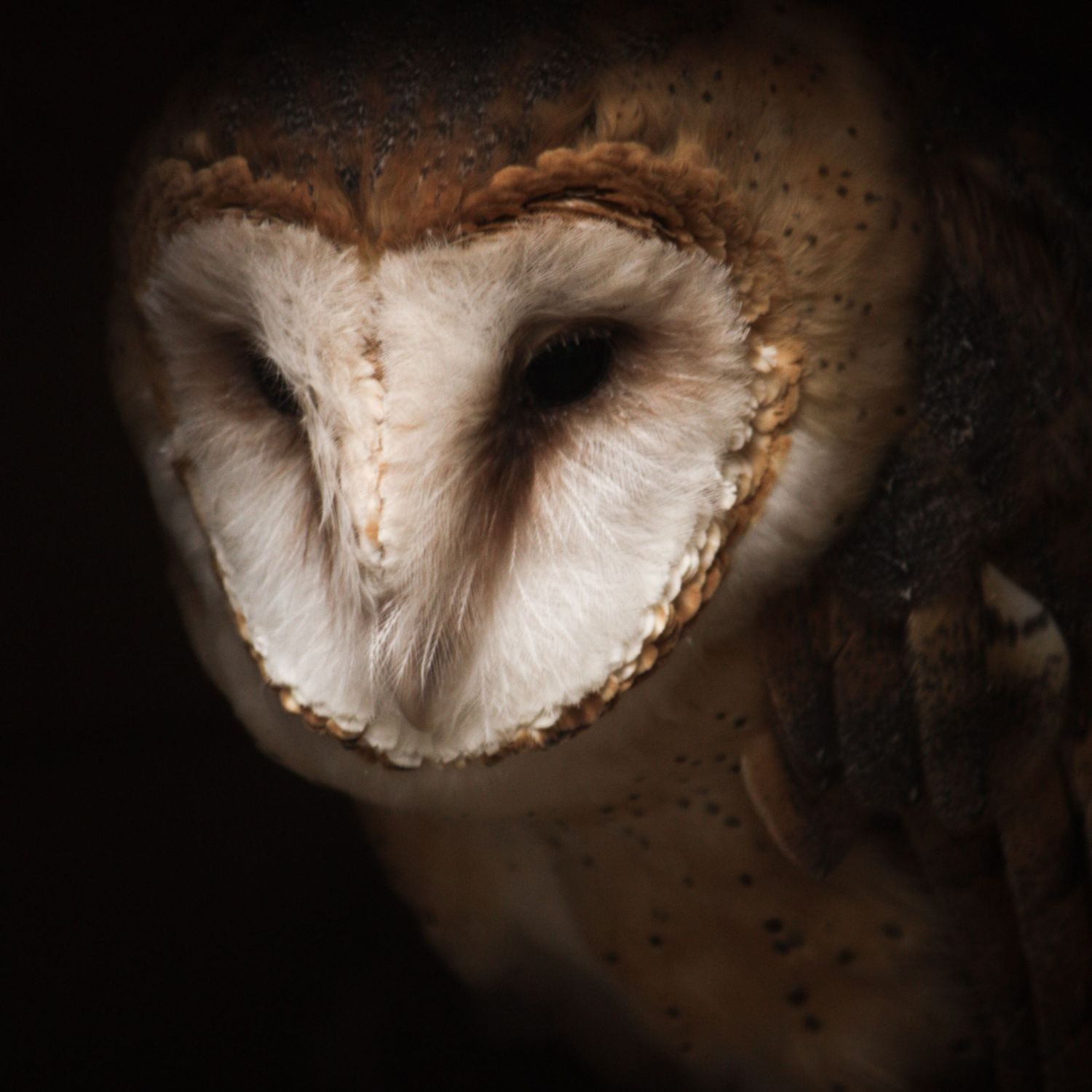
wacc: captive (Minnesota Raptor Center; imprinted on humans and could not be released)
Did you notice what I don't share?
I typically don't share location information. That can put wildlife in danger. Specific location information provides a shortcut to the animal and its habitat, which can lead to harassment, harm, or overexploitation. I don't geotag my photos or my posts for the same reason. Sharing wildlife photos or videos - especially on social media - sadly carries many risks. Those risks don't have to keep us from sharing, they just mean we need to do it with care. If I do share location information, it's to be transparent about a captive context or to highlight the good work of a nonprofit or a scientist.
If you choose to join me in "wacc"
Just remember to keep it simple and sustainable for yourself; don't feel like you need to be 100% perfect and committed to this for every single moment. I don't, for example, randomly interject "hashtag wacc controlled" in a conversation because that would be incredibly annoying. But I do try to find natural moments to share the when and why for any photo that isn't "wild." And if an opportunity is missed, I simply look for the next one.
Additional ethics resources:
- NANPA Ethics (North American Nature Photographers Association)
- Your social media posts may be putting animals in severe danger (Daily Hive)
- How to photograph wildlife ethically (National Geographic)
Join the EVERY SHOT A PRIVILEGE email list for photography-specific content, special offers, and gallery updates.
All wildlife images are wacc: wild unless otherwise noted.